The best fast chargers 2026
We compare real chargers from MercadoLibre Argentina by power, USB-C and certification, and explain why the cheap corner-shop charger is a bad idea.
Prices verified on August 6, 2026 · How we do it
How we chose: We analyzed 15 real products on the market · MercadoLibre Argentina
As an affiliate, CompraGuide may earn a commission from qualifying purchases. It costs you nothing extra.
Quick verdict
For most people the PRO21 fast charger with USB-C is the best buy: it has the power a modern phone needs and comes with the cable, which isn't cheap separately. If you have an iPhone and want zero risk, the original 20 W Apple; and if you want one unit for phone and laptop, the 68 W Motorola.
What to look for before buying
- Power (watts) for what you'll charge — It defines the speed. A 5 W charger — the old ones that came with phones — takes three hours or more. At 20 W, a modern phone recovers more than half in half an hour. From 45 W up you can charge laptops and large tablets. There's no point buying 68 W if you only charge a phone that accepts 20: it will charge at 20 anyway.
- USB-C with Power Delivery — USB-C is the current connector and is now mandatory in many markets, but the connector alone doesn't guarantee speed. What matters is Power Delivery (PD) support, the protocol that negotiates with the device how much current it can take. A USB-C charger without PD charges just as slowly as an old one, even with the new plug.
- Certification and safety — This is where saving money isn't worth it. A charger converts 220 V to 5 V and stays plugged in all night next to your bed. Very cheap uncertified units often have insufficient isolation between the mains input and the output, and they're the usual cause of burnt phones and, in worse cases, fires. Look for a recognisable brand and certification; the price difference is small.
- Whether it includes the cable — It's the category's hidden cost. Many chargers are sold on their own, and a quality USB-C cable costs a meaningful share of the charger's price. Worse: for fast charging the cable also has to carry that current, so a cheap cable throttles a good charger. Comparing prices without checking for a cable leads to wrong conclusions.
- Number and type of ports — If you have a phone, earbuds and a watch, a two-port charger frees up an outlet. Watch one detail: on almost all of them the total power is shared between ports, so a 30 W unit with two outputs may deliver 20 and 10, not 30 and 30. Check what each port delivers when both are occupied.
Our recommendations

Cargador de Pared PRO21 Carga Rápida USB y USB-C con Cable Tipo C, Blanco
Fast charging with a USB-C output and the cable included, which separately costs a meaningful share of the price. The most sensible combination of power, price and nothing missing.
Create price alert
Leave it empty to be alerted on any drop.

Cargador Viajero Soul Usb Classic 2.4 A Sin cable Color Blanco
The cheapest in the group, with 2.4 A over USB. Fine for overnight charging or as a spare for work or the car.
Create price alert
Leave it empty to be alerted on any drop.
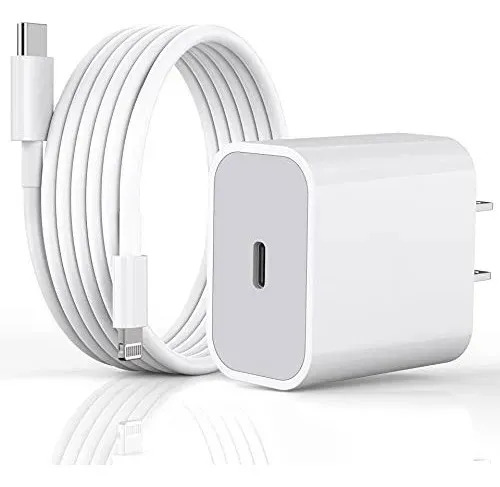
Cargador compatible en iPhone 20W USB-C + Cable Lightning Carga Rápida
20 W USB-C with a Lightning cable included, iPhone compatible, at a considerably lower price than the original.
Create price alert
Leave it empty to be alerted on any drop.
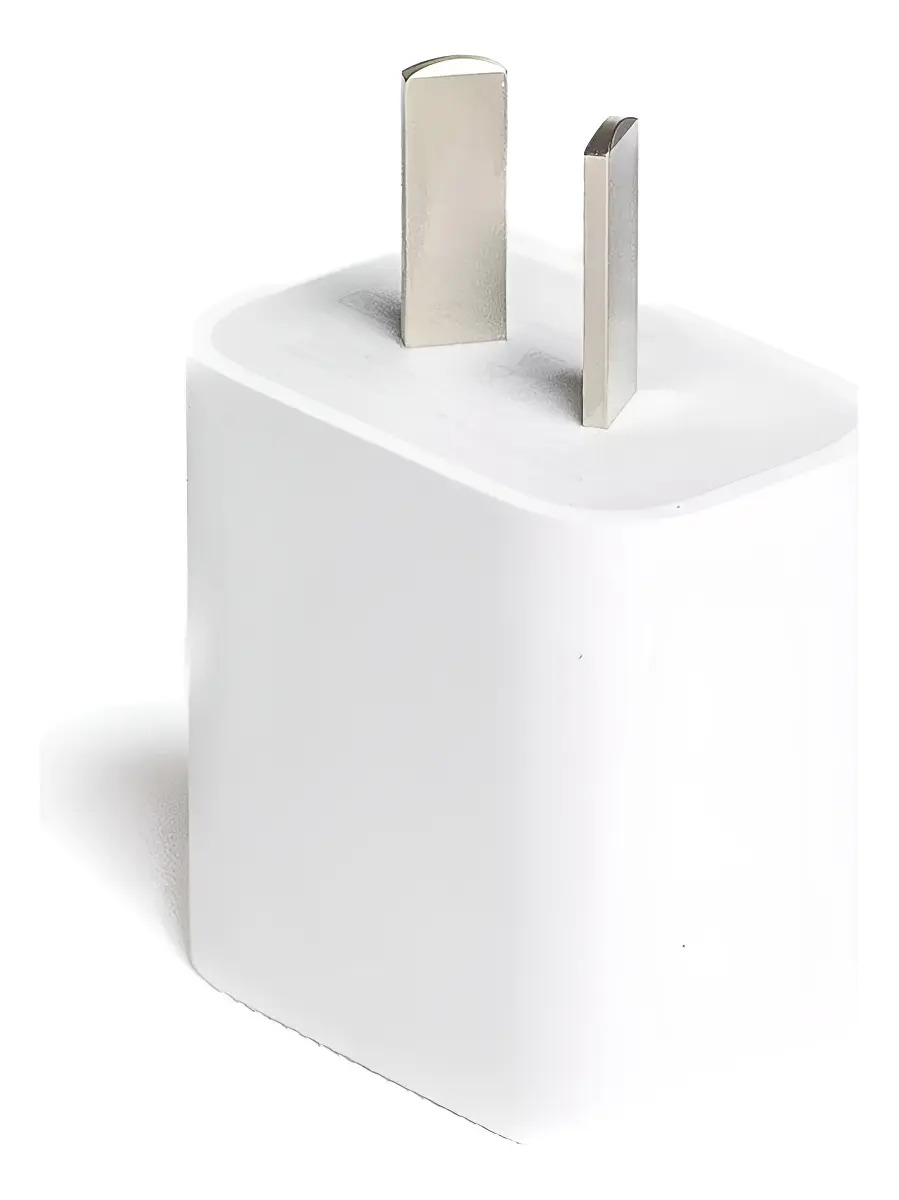
Cargador Fast Apple Original iPhone/iPad Usb-c 20w Color Blanco
The original 20 W Apple: the zero-risk option if you have an iPhone or iPad and don't want to think about compatibility or certification.
Create price alert
Leave it empty to be alerted on any drop.

Cargador Motorola 68w Usb-c Negro
68 W over USB-C: enough power to fast charge a phone and also a thin laptop. The only one in the group that covers both.
Create price alert
Leave it empty to be alerted on any drop.
Side-by-side comparison
| Product | Price | Installments | Rating | Where |
|---|---|---|---|---|
| Cargador de Pared PRO21 Carga Rápida USB y USB-C con Cable Tipo C, Blanco | $ 7.499 | 12 | — | MercadoLibre |
| Cargador Viajero Soul Usb Classic 2.4 A Sin cable Color Blanco | $ 4.500 | 12 | — | MercadoLibre |
| Cargador compatible en iPhone 20W USB-C + Cable Lightning Carga Rápida | $ 8.900 | 12 | — | MercadoLibre |
| Cargador Fast Apple Original iPhone/iPad Usb-c 20w Color Blanco | $ 8.334 | 12 | — | MercadoLibre |
| Cargador Motorola 68w Usb-c Negro | $ 35.492 | 12 | — | MercadoLibre |
The charger is the most underestimated accessory: it’s included less and less often, it gets bought in a hurry anywhere, and it’s the only device in the house that stays plugged in all night next to your head.
What to look for
- Watts for your use: 20 W for a phone, 45-65 W if you also charge a laptop.
- USB-C with Power Delivery: the connector alone isn’t enough; without PD it still charges slowly.
- Certification: the one item on this list where saving isn’t worth it.
- Whether the cable is included: a quality USB-C cable costs nearly as much as the charger.
Our pick
For most people the PRO21 with USB-C is the most complete buy: fast charging and it comes with the cable, which bought separately takes a good chunk of the budget. If you have an iPhone and want no doubts, the original 20 W Apple. And if you want one unit for everything, the 68 W Motorola charges a phone and a thin laptop.
What doesn’t get said about cheap chargers
A charger converts 220 V mains into 5 V for your phone. The only thing separating those two is the internal isolation. Very cheap uncertified units often have insufficient separation between the mains side and the device side: that’s where burnt phones, shocks when touching the device while charging and, worst case, fires come from.
This isn’t sales scaremongering: the price difference between an unbranded one and a certified one is small, and the device sleeps next to you.
A myth, cleared up
Fast charging doesn’t ruin the battery. Modern phones have a controller that slows down on its own when the battery is high or it detects heat. What does degrade it is heat: charging your phone in the sun or under a pillow does more damage than any fast charger.
Prices come from MercadoLibre Argentina and update daily.
Frequently asked
How many watts do I need?
It depends on the device. A current mid-range or high-end phone makes use of 20 to 45 W: at 20 W you recover more than half the battery in half an hour, which is enough for most people. Large tablets and thin laptops want 45 to 65 W. And an important point: a charger never delivers more than the device requests, so a 68 W charger connected to a phone that accepts 20 will charge exactly like a 20 W one. Don't pay for power you won't use, but if you want a single unit for phone and laptop, the bigger one is worth it.
Is a cheap charger dangerous?
It can be, and this is one of the few categories where it's worth saying plainly. A charger transforms 220 V mains into 5 V for your phone, and what separates those two things is internal isolation. Very cheap uncertified units often have insufficient separation between the mains side and the device side, and that's where burnt phones, shocks when touching the device while charging and, worst case, fires come from. It's a device that stays plugged in all night next to your bed: the price difference against a certified one doesn't justify the risk.
Does fast charging damage the battery?
Not in the way people usually think. Modern phones have a controller that manages charging and automatically slows down when the battery reaches high levels or it detects high temperature: the charger can't override it. What does degrade a battery, in any case, is heat and keeping it at 100% permanently. If you want to look after it, avoiding charging in direct sun or under a pillow is far more effective than avoiding fast charging.
Are prices and stock up to date?
Yes: we take real price and availability from MercadoLibre Argentina and refresh them daily. They can change at any time; the link always takes you to the current offer.
Related guides

Still unsure? Tell the assistant what you need and it'll recommend based on your budget.
Ask the assistant →